
A doctor who backs safer alternatives to cigarettes said Sweden’s success in cutting smoking can guide Philippine officials who want to reduce the health risks of cigarettes.
Quit for Good president Dr. Lorenzo Mata spoke on the theme “Choice, Evidence, and Access” at the 2nd National Summit on Nicotine and Harm Reduction. Mata is a workplace health doctor and an advocate of tobacco harm reduction, or helping smokers move to less harmful products. He has more than 40 years of medical experience.

Mata said only about 5.4 percent of Swedes aged 16 to 84 smoked every day in 2024, one of the lowest rates in the world. He credited this in part to snus, a smokeless tobacco product that 22 percent of men and 10 percent of women in the same age group use daily.
He said the figures call for a wider discussion that goes beyond the usual “safe versus unsafe” debate. He pointed to the role of strong tobacco control rules together with access to nicotine products that do not burn tobacco.
“The Philippines is not Sweden,” Mata said, citing differences in culture, smoking rates, health care systems and regulations. He said officials should instead look for proven measures that reduce the most harm for the most people.
These include keeping people from starting to smoke, protecting young people, helping smokers quit, cutting exposure to burned tobacco, ensuring product quality, giving consumers accurate information and tracking results, he said.
Mumbai-based cardiologist Dr. Rohan Sequeira warned that yearly deaths from tobacco-related illness could pass 10 million by 2030 unless governments act decisively.
“That means we are adding 2 million people every year who are going to die because of harm reduction not being implemented by regional and national governments,” he said. He added that cigarettes are the most dangerous way to take in nicotine.
Mata said adult smokers who cannot or do not want to quit right away should have access to alternatives that have been scientifically tested and are easy to get.
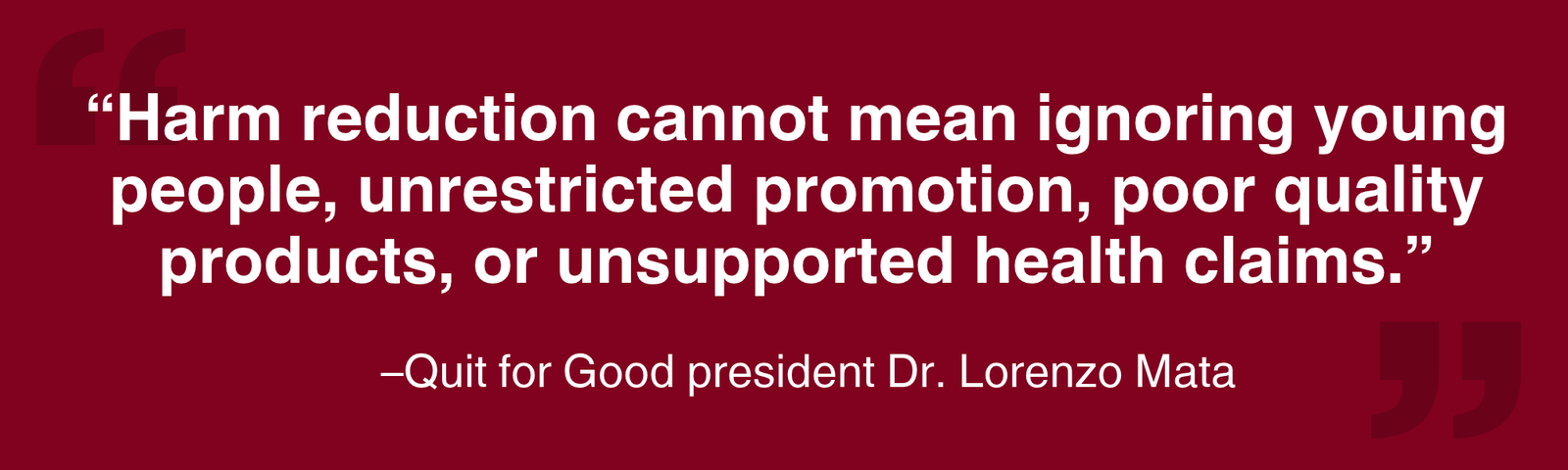
“Harm reduction cannot mean ignoring young people, unrestricted promotion, poor quality products, or unsupported health claims,” he said.
CAPS and Partners Inc. professor Eric Castillo said about 90 countries allow and regulate the sale of alternative nicotine products, including e-cigarettes, heated tobacco products and Swedish snus.
He said the Philippines has already built harm reduction into its laws through Republic Act 11900, joining countries such as Sweden. The United Kingdom, New Zealand and Canada, he added, have adopted health strategies that encourage smokers to switch to less harmful products.
Nicotine Consumers Union of the Philippines (NCUP) representative Anton Israel said smoking rates fell in Sweden, Britain, New Zealand and Japan after alternatives to regular cigarettes became available.

“All we ask is this: that policy be based on evidence and on the level of risk. The choice belongs to the Filipino consumer. Our duty is to make sure it is not lost, that they keep their access, their choice and their hope,” Israel said.
Mata also sought to clear up common misunderstandings about nicotine. Nicotine is addictive and affects the body, he said, but cigarette smoke contains thousands of chemicals, including many that cause cancer, and the harm from smoking should not be confused with nicotine dependence.
He rejected claims that all nicotine products carry the same risk, saying they differ in ingredients, how they are used and how much harmful substances users are exposed to.
“Harm reduction does not mean zero risk. It means reducing risk compared with a more harmful behavior,” he said.