
Prof. Ron Christian Sison, lead convenor of the Harm Reduction Alliance of the Philippines
Emerging medical evidence indicates that heated tobacco products (HTPs) may significantly reduce smokers’ intake of chemicals associated with lung cancer and pulmonary harm, strengthening the case for tobacco harm reduction strategies.
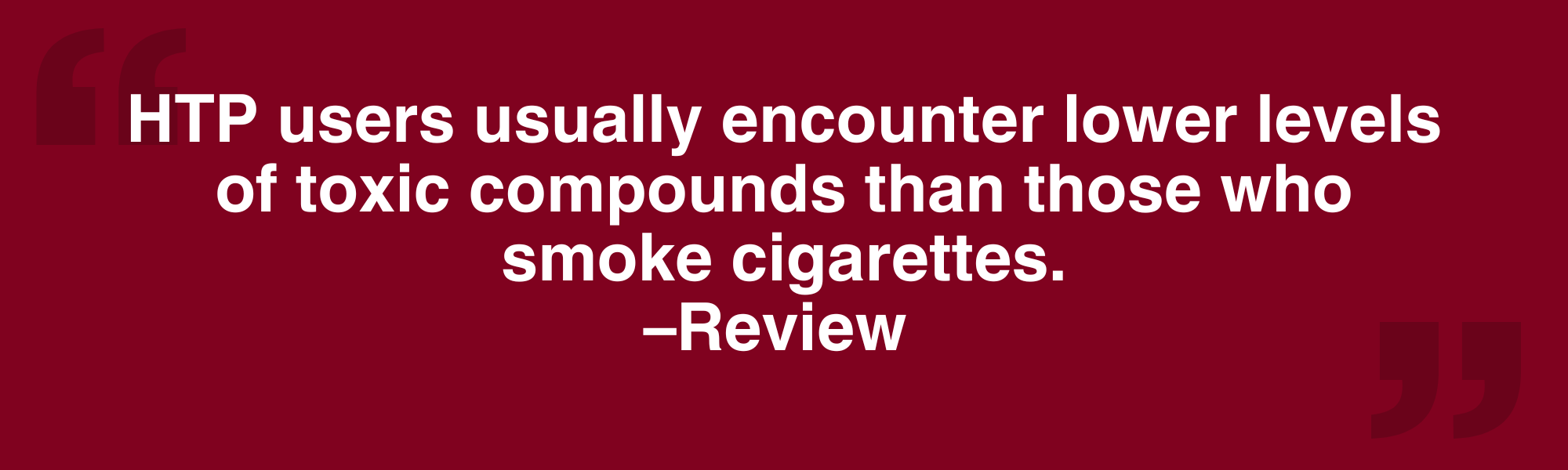
By examining 26 studies published over five years, the review “Heated Tobacco Products: Current Evidence of Pulmonary Harm and Lung Cancer Risk” determined that HTP users usually encounter lower levels of toxic compounds than those who smoke cigarettes.
The review highlights risk‑estimation models suggesting that lung cancer risk from HTP use could be reduced to roughly 3 percent to 4 percent of the level seen in cigarette smokers.
Appearing in the April issue of US‑based, peer‑reviewed open access medical journal Cureus, the review highlighted that HTP users face significantly reduced carcinogen exposure and more positive biomarkers of harm compared with smokers, strengthening the case that eliminating combustion can cut toxicant exposure.
The review was conducted by researchers from the Department of Family Medicine at Unidade de Saúde Familiar in Portugal, a primary care setting dedicated to family medicine, preventive care and health promotion.
Several Filipino medical experts expressed support for the findings, emphasizing that they add weight to the evidence showing tobacco harm reduction can reduce smoking‑related health risks.
“More countries, including the Philippines, are now embracing tobacco harm reduction as a compassionate but effective way of addressing the smoking epidemic as we explore the next steps toward the future,” said Prof. Ron Christian Sison, lead convenor of the Harm Reduction Alliance of the Philippines.
According to Dr. Fernando Fernandez, former president of the Asia Pacific Dental Federation and the Philippine Dental Association, the findings reinforce the need to help smokers who cannot quit transition away from combustible tobacco products to reduce harm.
“The evidence continues to show that the greatest harm comes from burning tobacco,” Fernandez said. “For smokers who are unable to quit, switching to less harmful alternatives can significantly reduce exposure to toxic substances associated with cigarette smoke.”
“The Philippines has passed a law that supports tobacco harm reduction, helps educate patients on alternative products, and complements broader public health efforts aimed at reducing smoking-related disease,” he added.
HTPs heat tobacco electronically instead of burning it, as conventional cigarettes do. The review highlights that this approach reduces emissions of harmful and potentially harmful chemicals by over 90 percent compared with cigarette smoke, citing industry-supplied data.
Evidence suggests that HTPs can help lower exposure to harmful chemicals compared with regular cigarette smoking.
Tobacco harm reduction isn’t well known among Filipinos, but according to urologist Dr. Rogelio Varela Jr., it needs to be part of the conversation for smokers who find quitting difficult.
“If a smoker cannot quit immediately, we should help lessen the harm,” he said. “This review suggests that moving away from cigarettes reduces exposure to dangerous chemicals. While it doesn’t eliminate all risks, reducing exposure is a crucial step for those who would still continue the habit.”
Findings from the review also reveal that HTPs are commonly regarded as less harmful than cigarettes, a belief that could drive smokers who cannot quit toward switching.
HTPs may lessen toxic exposure, but the authors warned they are not risk-free, as they can still lead to biological changes connected with inflammation and oxidative stress. They also underscored that the bulk of existing evidence is based on biomarker research.
The researchers concluded that HTPs may provide smokers with a lower-risk alternative to cigarettes, with indications of reduced lung cancer risk. Still, they cautioned that studies on long-term health impacts are ongoing.