
University of Catania biochemistry professor Giovanni Li Volti
Countries adopting smoke-free alternatives such as e-cigarettes, heated tobacco and nicotine pouches are seeing more significant drops in cigarette smoking than those maintaining tougher restrictions, according to international studies.
Data show that these products serve as a “bridge” away from combustible tobacco, with nations like Sweden and New Zealand reaching record-low smoking prevalence by providing lower-risk options.
A recent large-scale study in JAMA Network Open, utilizing U.S. Census Bureau data from more than 110,000 adults between 2022 and 2023, suggests that nicotine pouches are becoming a meaningful tool for Americans quitting more harmful habits.
Rutgers Institute for Nicotine and Tobacco Studies director Cristine Delnevo led the research, which found that daily nicotine pouch use is 4 times more prevalent among recent quitters than current smokers.
“For people who smoke or use other nicotine products and don’t want to stop using nicotine, switching completely from the more harmful product and moving down the risk continuum with nicotine pouches is likely good for public health,” Delnevo said.
Toxicological evidence supports the shift toward non-combustible products. In a 2025 review published in the U.S. National Library of Medicine, Aerosol Chemist Reinhard Niessner explained that smoking-related diseases are primarily caused by toxins produced during combustion rather than nicotine. While a lit cigarette produces approximately 6,500 chemicals, smoke-free alternatives avoid the burning process and significantly reduce exposure to harmful constituents.
Sweden remains the primary “proof of concept” for this strategy, according to New Nicotine Alliance Ireland Chair Damian Sweeney. While overall nicotine use in Sweden is similar to the European Union average, the widespread use of snus and pouches has pushed smoking prevalence down to 5 percent, the lowest in the union.
Other nations have reported similar trends. University of Queensland researchers found that smoking rates in New Zealand dropped by 10 percent annually between 2016 and 2023, doubling the 5 percent annual decline seen in Australia’s more restrictive environment. In the UK, where smoke-free products are promoted, smoking fell from 24 percent in 2005 to 10.8 percent in 2025.
Former WHO Tobacco-Free Initiative Program Manager Derek Yach said that if global efforts focused on harm reduction, the number of tobacco users could be halved within a decade. “Let’s put all our focus on getting harm reduction out there. If so, a decade from now, we will be able to cut the billion smokers and users of tobacco by 50 percent, maybe even more,” Yach said.
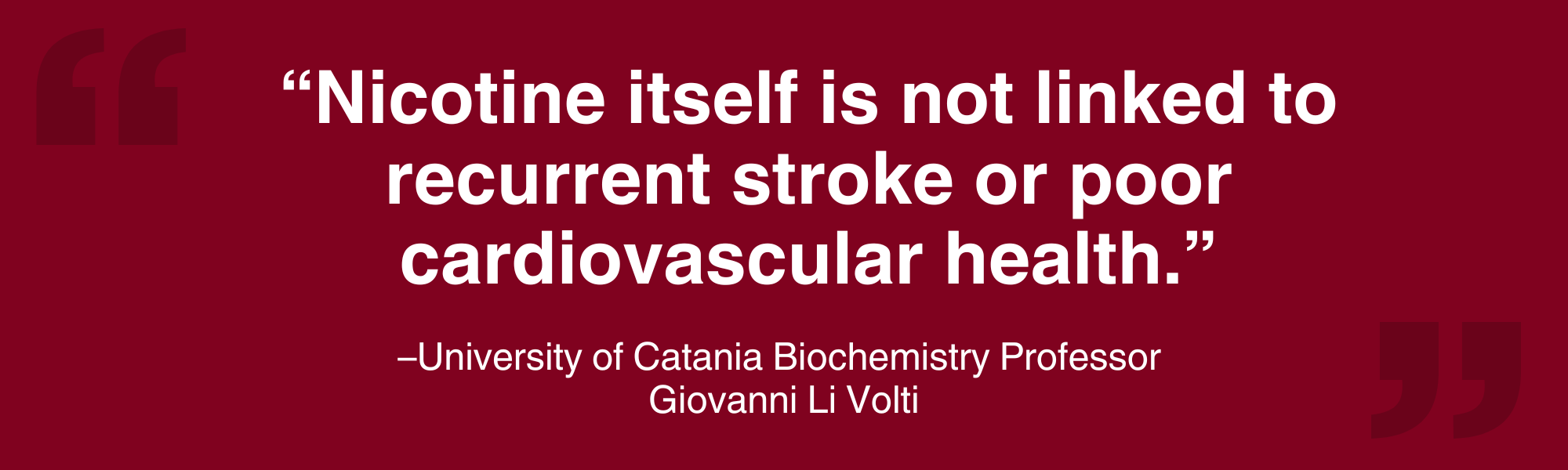
University of Catania Biochemistry Professor Giovanni Li Volti said nicotine itself is not linked to recurrent stroke or poor cardiovascular health, noting its long-standing acceptance in medical replacement therapies.
In Southeast Asia, the Philippines has positioned itself as a regional leader by enacting the Vape Law in 2022, which established a legal framework for harm reduction.
Proponents of these laws argue that neglecting such measures could have a high human cost. A joint report by former WHO officials and economists estimated that adopting harm reduction measures could save more than 14 million lives across 23 countries by 2060.