Philip Morris International (PMI) announces a $71 million investment expansion in the Philippines to boost smoke-free product manufacturing and exports through 2027.
MANILA, Philippines—Philip Morris International (PMI) is strengthening its smoke-free commitment by expanding operations and investing further in the Philippines, recognizing the country’s skilled workforce, modernizing infrastructure, and openness to innovation.
PMI has invested over US$2 billion in the Philippines, a country the company considers as a strategic manufacturing hub for its vision of a smoke-free future. These investments span manufacturing expansion, smoke-free product development, and digital innovation.
As PMI reallocates resources and capabilities toward smoke-free products, the Philippines is emerging as a strategic hub in supporting regional operations, exports, and supply chains to drive this transition.
According to PMI’s latest earnings report, smoke-free products represented 41.5 percent of the company’s global net revenues in 2025, underscoring the rapid pace of its transformation.
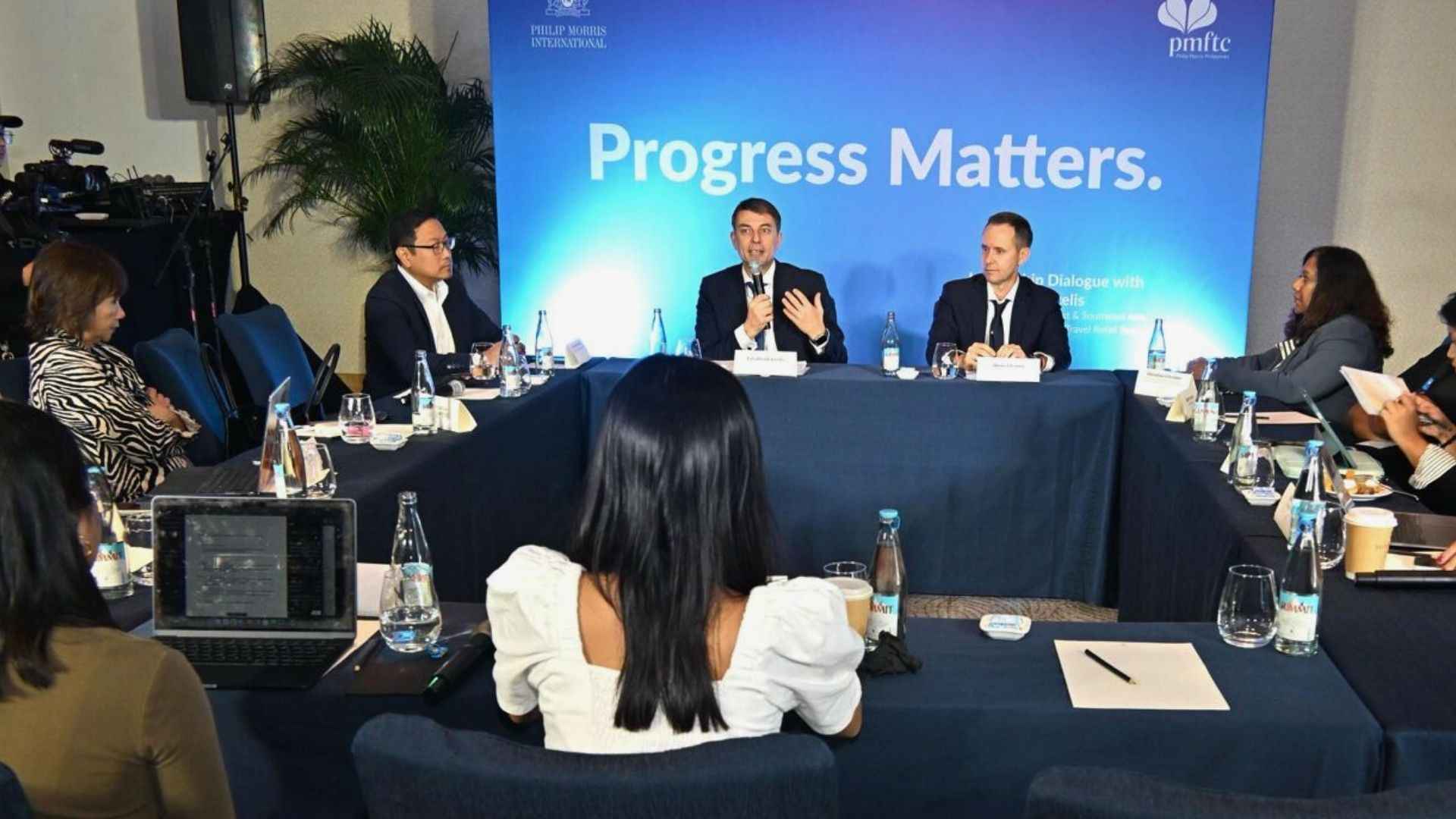
“Our mission is to accelerate the decline of smoking by providing scientifically substantiated better alternatives to smoking. We are dreaming of the day that we are going to stop selling cigarettes because there will be demand satisfied through better alternatives,” said Vassilis Gkatzelis, President of the East & Southeast Asia, Pacific and Global Travel Retail Region at PMI, during his visit to the Philippine affiliate, PMFTC, Inc. (Philip Morris Philippines).
Since the launch in the country of IQOS in 2020 and ZYN nicotine pouches in 2023, the Philippines has steadily advanced in adopting smoke-free alternatives.
Gkatzelis also emphasized the need for science-based consumer education to dispel persistent misconceptions about nicotine as smoke-free alternatives gain wider availability.
“What we learn from the data in the Philippines is that when consumers understand the difference, there is a much higher intention to switch to smoke-free products. In one year, the number of consumers already doubled. We are talking about 170,000 people who made their decision to switch to alternatives such as IQOS and ZYN,” said Zhenya Ivanov, President of PMFTC.
PMI’s smoke-free products are designed with advanced technology that eliminates combustion—the primary source of smoking-related harm. By introducing these innovations locally, PMI aims to accelerate the Philippines’ transition to a smoke-free future.
“The Philippines is a very important and strategic market for Philip Morris International and for the East and Southeast Asia region. We have been investing consistently with a long-term horizon. We employ more than 5,000 people and export to more than 10 markets, not only products but also business services, thanks to the highly skilled talent base in the Philippines,” said Gkatzelis.
PMFTC is expanding its smoke-free manufacturing operations in Tanauan, Batangas, backed by an additional US$71 million investment through 2027 to meet rising domestic and export demand.
PMI continues to see global momentum in smoke-free alternatives, with an estimated 43 million adult consumers by the end of 2025—up 4.5 million from December 2024. A key driver of this transformation is the company’s broadened product portfolio tailored to the diverse preferences of adult smokers.
Gkatzelis pointed to international cases where wider access to smoke-free alternatives coincided with reduced cigarette use. In Japan, adult smoking prevalence dropped by about 46% between 2014 and 2022 following the introduction of heated tobacco products. In Sweden, smoking rates have fallen to 5.3%, with the country poised to become the first smoke-free nation thanks to the availability of snus, nicotine pouches, and heated tobacco.