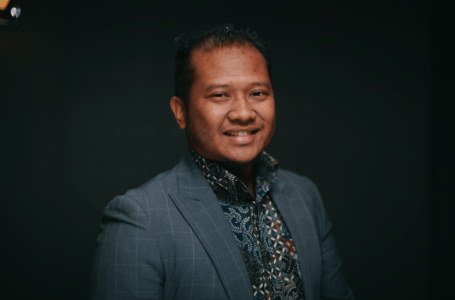
Romeo Lumagui Jr., Commissioner of the Bureau of Internal Revenue (BIR)
Government officials in the Philippines are pushing for coordinated efforts across Southeast Asia, involving both regional allies and diverse sectors, to combat illegal trade.
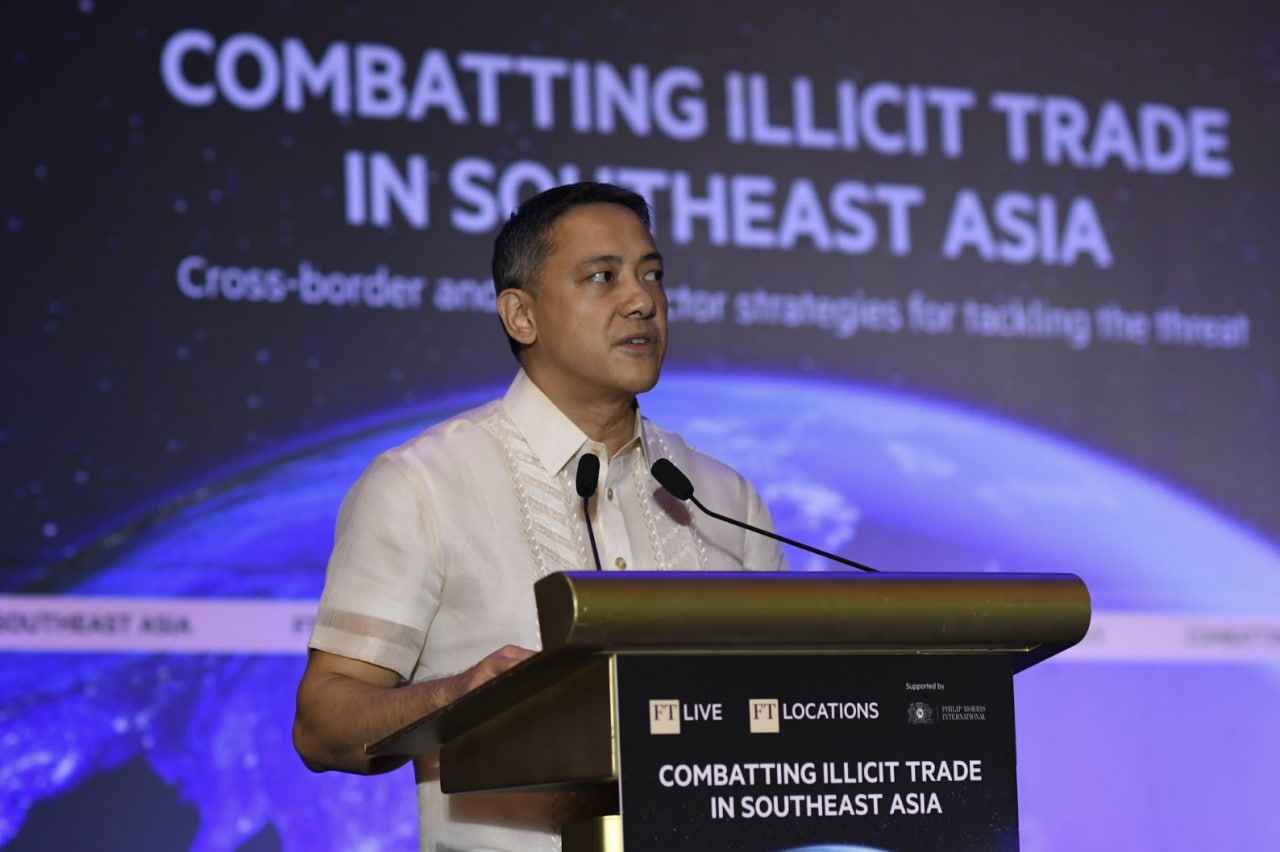
Porous borders, uneven enforcement capacity, and fragmented regulatory frameworks make Southeast Asia vulnerable to criminal operations, according to experts who attended “Combatting Illicit Trade in Southeast Asia”, a high-level briefing conducted by the Financial Times at the Shangri-La The Fort, Manila, in Taguig City on August 5, 2025.
“Illicit trade threatens not only economies but also the safety and well-being of people. It fuels corruption, finances criminal networks, and exploits the most vulnerable. Smuggling, counterfeiting, trafficking, or illegal drugs are not isolated issues. They are transnational, deeply rooted and continuously evolving,” said Nestor Sanares, Undersecretary for Peace and Order at the Department of Interior and Local Government (DILG).
Sanares noted that through strong coordination between the Philippine National Police (PNP), the National Intelligence Coordinating Agency (NICA), and local barangays, an early warning system has been established to counter illicit trade in the country. He added that local brand owners and logistics firms are collaborating through the joint Task Force Against Counterfeit Goods, supporting the PNP in safeguarding consumers and dismantling counterfeit supply networks.
Underscoring the vital importance of cross-border cooperation, Sanares said that the Philippines’ “partnerships with Malaysia, Indonesia, and Thailand have resulted in the interception of trafficking and contraband even before they reach our shores.”
Bureau of Internal Revenue (BIR) Commissioner Romeo Lumagui Jr. pointed to the Philippines’ vast coastline, evolving smuggling tactics, and the expanding digital marketplace as key challenges confronting the government. He stressed that the outcome of the fight against illicit trade—and its harmful actors—will hinge on unified action from both government agencies and the public.
“I know I need not emphasize how crucial this campaign is not only to our economic development, but more importantly to the welfare and interests of the entire country. The dangers posed by illegal trade to the economy and to the overall well-being of the people cannot be underestimated. Aside from the risks to public health posed by poor quality goods, the profits of illicit trade are often used to fund organized crime – if not terrorism, in other countries – and the income earned by those involved in these nefarious practices goes unmonitored and untaxed,” he said.
“Every year, illicit trade in taxed goods like cigarettes and alcohol leads to massive revenue losses—billions of pesos that could have funded schools, hospitals, and roads. Even more troubling, these unregulated products often pose serious health risks, especially to young and vulnerable members of our society,” he said.
Lumagui shared that over the past two years, the BIR has formed multi-agency task forces—such as the Illicit Trade Task Force—which brings together representatives from the Bureau of Customs, PNP, the National Bureau of Investigation, and other key partners to conduct coordinated, intelligence-led operations.
“Thanks to the relentless efforts of our task forces, the BIR has successfully seized large volumes of illicit goods—recovering millions in lost revenue and keeping dangerous products off the market. In one notable operation, we rescued 155 trafficked individuals who had been forced to work in an illegal cigarette factory in Barangay Moranquillo, San Rafael, Bulacan,” he said.
As a result of the raid, the foreign national behind the illegal operation now faces a ₱596 million tax deficiency case before the Court of Tax Appeals, as well as human trafficking charges filed through the PNP Criminal Investigation and Detection Group.
Lumagui also recognized the vital role of public participation in the fight against illicit trade. “Information from citizens—whether tips, leads, or other insights—greatly helps us identify establishments that warrant surveillance, or even immediate enforcement action,” he said.
“The Bureau likewise continually champions the case for tighter border controls enhanced by electronic verification, and most importantly, by closer and more intensive collaboration, both within the Philippine Government and throughout the ASEAN Region, in order to successfully prevent the entry of illicit goods and the proliferation of smuggling operations throughout Asia,” he said.
He emphasized the importance of leveraging technology—such as real-time authentication systems—to detect counterfeit and smuggled goods, alongside strengthening border controls through electronic verification and deeper regional cooperation.
“As we move forward, it’s clear that our success depends on sustained investment in tech-driven enforcement, ongoing regulatory updates, expanded cross-border data sharing, and—most critically—strong partnerships among governments, the private sector, and civil society,” he said.